

Built-In Bath Tub vs. Freestanding Bath Tub: Which Is Better?
Is a built-in bath tub better than a freestanding bath tub?
Choosing the right bathtub for your home is an exciting yet challenging decision, especially with so many styles available today. But two of the most popular choices are built-in and freestanding bathtubs.
Each tub type has its own unique benefits, as well as aesthetic appeal and functional advantages. So, which one is better?
In this quick guide, our experts here at Bathroom Redone will walk you through the pros, cons, as well as factors to consider when making your decision.
Built In Bath Tub vs. Freestanding Bath Tub
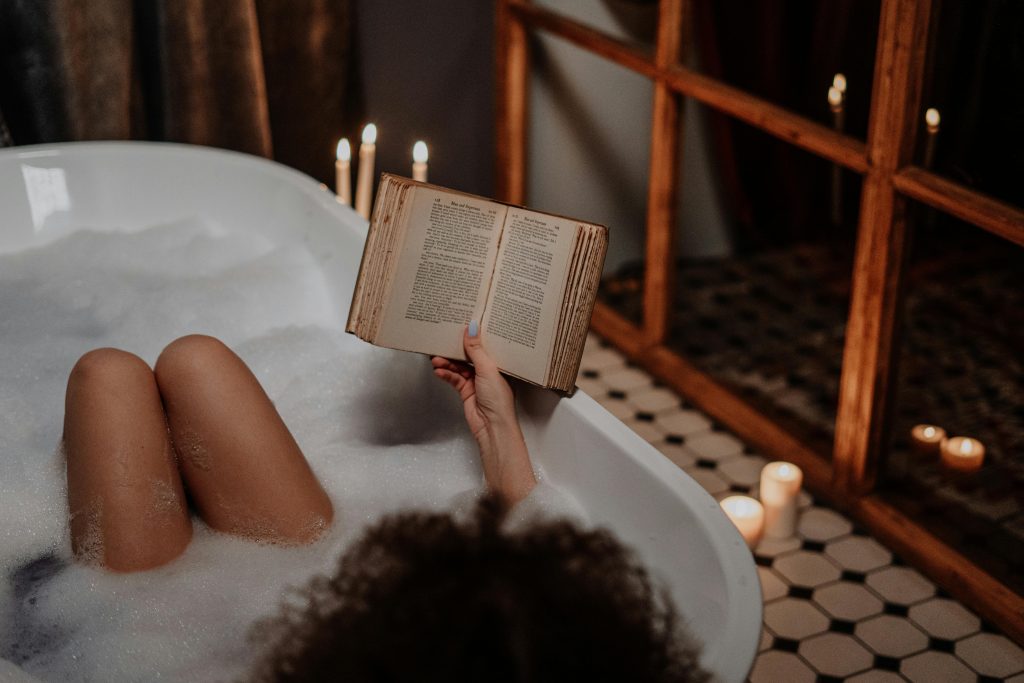
What Is a Built-In Bathtub?
A built-in bathtub is a bathtub that is fixed into a designated space in a bathroom and typically surrounded by walls, tiles, or an enclosure. Unlike freestanding bathtubs, built-in tubs are integrated into the bathroom structure, making them a practical and space-efficient choice for many homeowners.
Following are the key characteristics of a built-in bathtub:
- Space Efficiency. They are often installed against walls, maximizing bathroom space
- Easy Maintenance. Surrounded surfaces (tiles, acrylic, etc.) prevent water from leaking and are easy to clean.
- Plumbing Integration. Built-in tubs have concealed plumbing, contributing to a neater appearance.
- Affordability. Generally more cost-effective than freestanding bathtubs due to easier installation.
- Customization. Can be enhanced with jets, handrails, or shower combinations
Pros of Built-In Bathtubs
| Benefits | Reason |
| Space-saving | Ideal for small bathrooms, as they fit snugly against walls or corners. |
| More Storage Options | Built-ins come with ledges or cloves used to place essentials like soap and shampoos. |
| Easier to Install Plumbing | Often installed closer to the plumbing system, which reduces installation costs. |
| Cheaper | They are generally cheaper compared to freestanding bathtubs |
| Easier to Clean | They are least exposed to surfaces where dust and grime can accumulate. |
Cons of Built-In Bathtubs
| Disadvantages | Reason |
| Limited Design Flexibility | Sizes and shapes are limited |
| Less Luxurious Appearance | Although functional, built in tubs don’t always offer the same visual appeal as freestanding tubs. |
| Difficult to Relocate | Built-in bathtubs are challenging to move or replace without major renovations. |
What Is a Freestanding Bathtub?
A freestanding bathtub is a bathtub that stands independently without being attached to walls or built into an enclosure. Unlike built-in bathtubs, which are installed against walls or inside a deck, freestanding tubs are self-supporting and can be placed anywhere in the bathroom, making them a focal point in modern and luxury bathrooms.
Following are the key characteristics of a freestanding bathtub:
- Flexibility in Placement: Can be positioned anywhere in the bathroom as long as plumbing allows.
- Aesthetic Appeal: Acts as a design centerpiece, making a bold style statemen.
- Variety of Materials: Available in acrylic, cast iron, stone resin, copper, stainless steel, and wood.
- Deep Soaking: Most freestanding tubs are deeper than built-in tubs, offering a more immersive bathing experience.
- Standalone Installation: Does not require wall attachment or a built-in enclosure.
Pros of Freestanding Bathtubs
| Pros | Reason |
| Aesthetic Appeal | Freestanding tubs exude a spa-like, luxurious look that improves the overall ambiance of a bathroom. |
| Variety of Designs | Available in a variety of shapes, styles, and sizes. |
| More Placement Flexibility | It can be positioned anywhere in the bathroom, offering more layout options. |
| Adds Home Value | Often considered a high-end feature, which can boost resale value of the home. |
Cons of Freestanding Bathtubs
| Cons | Reason |
| Occupies More Space | It requires more room which makes it less ideal for small bathrooms. |
| Higher Cost | Tends to be more expensive, both in terms of bath tub itself and installation. |
| Less Storage | They lack surrounding ledges or shelves for bath items. |
| More Difficult to Clean | It is high maintenance since it requires more cleaning around and underneath. |
Key Factors to Consider When Choosing a Bathtub
- Available Space. If you have a smaller bathroom, a built-in tub may be the best choice to optimize space. For larger bathrooms, a freestanding tub can serve as an eye-catching centerpiece.
- Budget. Built-in tubs tend to be more affordable, both in terms of the tub price and installation. Freestanding tubs, while stunning, often require additional plumbing work, which can add to the cost.
- Aesthetic Preferences. Do you prefer a clean, modern look or a classic, luxurious feel? Built-in tubs blend seamlessly into a bathroom, while freestanding tubs make a bold design statement.
- Storage Needs. If you like to keep your bath essentials within easy reach, a built-in tub offers better storage solutions. With a freestanding tub, you may need to invest in bath trays, shelves, or small tables for convenience.
- Cleaning & Maintenance. Built-in tubs are generally easier to clean due to their enclosed installation, while freestanding tubs require more effort to clean around and underneath.
- Resale Value. While both types of bathtubs can add value to your home, freestanding tubs are often seen as a luxury feature, potentially making your property more appealing to buyers.
Which Is Better?
There’s no one-size-fits-all answer—it depends on your space, budget, and style preferences. If you prioritize practicality, affordability, and ease of maintenance, a built-in bathtub is a great choice. However, if you want a statement piece that elevates the look of your bathroom and don’t mind the extra investment, a freestanding bathtub is a fantastic option.
No matter which type you choose, investing in a high-quality bathtub that aligns with your needs and lifestyle will ensure you enjoy a relaxing and rejuvenating bathing experience for years to come!
Looking to remodel your bathroom?
Bathroom Redone can help you. Our team offers comprehensive bathroom renovation services, including bathtub repair and installation. For inquiries, call us today at (720) 712-1962 or send us a message.
Recent Comments